


We believe in Fairtrade
EMPOWERING COMMUNITIES THROUGH ALPACA FIBER AND PERUVIAN TEXTILES
In today’s interconnected world, the concept of fair trade has gained significant recognition as consumers increasingly prioritize ethical and sustainable products. This movement extends to the realm of alpaca fiber and Peruvian textiles, where fair trade practices play a crucial role in empowering local communities, preserving cultural traditions, and promoting environmental sustainability.
Peru, with its rich alpaca heritage and thriving textile industry, has become a focal point for fair trade initiatives. These initiatives aim to create equitable partnerships between producers and buyers, ensuring that artisans receive fair compensation for their labor while adhering to ethical standards.
At the heart of fair trade is the principle of fair prices. When it comes to alpaca fiber and Peruvian textiles, fair trade practices ensure that artisans are paid a fair wage for their craftsmanship. This empowers them economically, allowing them to support their families, invest in their communities, and preserve their cultural heritage.
In addition to fair wages, fair trade organizations also focus on providing safe working conditions for artisans. By enforcing health and safety regulations, fair trade promotes the well-being of those involved in the production process. This ensures that artisans can work in an environment that respects their rights and protects their dignity.
Fair trade initiatives go beyond monetary compensation and working conditions. They also prioritize environmental sustainability. Alpaca fiber production, when managed responsibly, has minimal impact on the environment. Fair trade organizations encourage eco-friendly practices, such as the use of natural dyes, sustainable farming methods, and responsible waste management. These practices help preserve the delicate ecosystems where alpacas graze and promote a more sustainable future for the industry.
Moreover, fair trade fosters direct relationships between artisans and buyers, eliminating unnecessary intermediaries. This transparency allows buyers to understand the entire supply chain and ensures that the artisans receive a fair share of the final product’s value. By establishing direct connections, fair trade facilitates cultural exchange, mutual respect, and appreciation for the artisans’ skills and traditions.
Fair trade has the power to transform communities. In the context of alpaca fiber and Peruvian textiles, it enables artisans to overcome economic challenges, break the cycle of poverty, and provide better opportunities for future generations. Fair trade empowers artisans to invest in education, healthcare, and infrastructure, strengthening their communities from within.
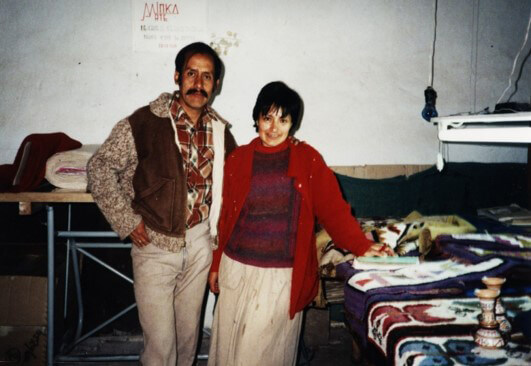
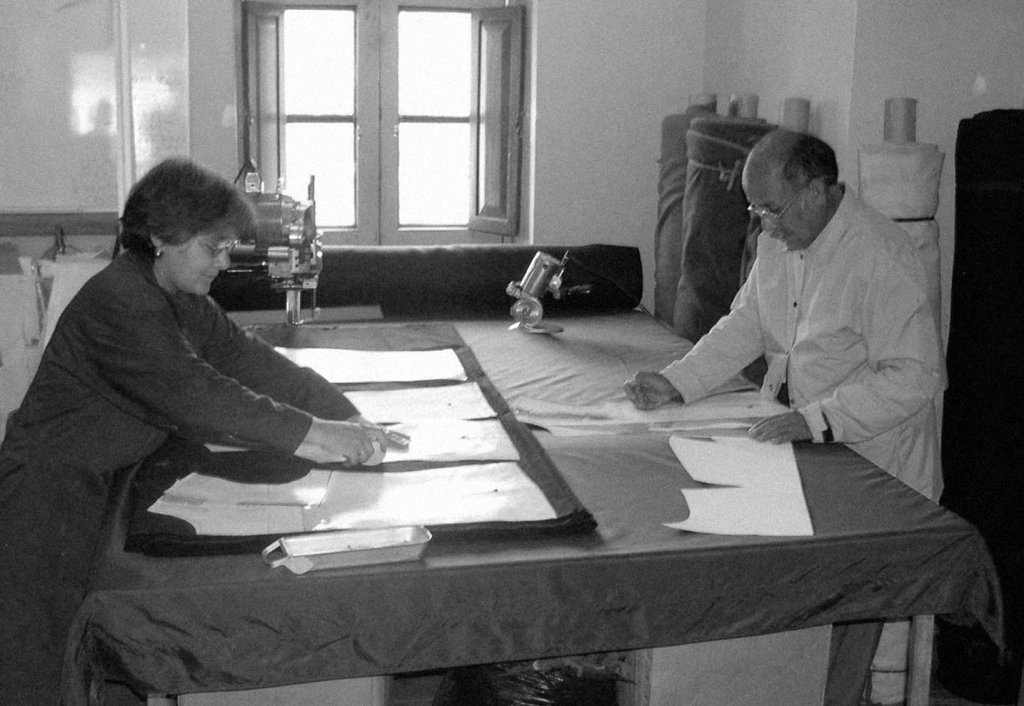
When consumers choose fair trade alpaca products, they contribute to this positive change. By supporting fair trade initiatives, they are making a conscious choice to value ethical practices, sustainability, and the preservation of cultural heritage. Every fair trade purchase becomes a small but meaningful step towards a more equitable and just world.
In the realm of alpaca fiber and Peruvian textiles, fair trade serves as a beacon of hope, bridging the gap between producers and consumers, and fostering a global community committed to social and environmental responsibility. Together, we can continue to celebrate the beauty and craftsmanship of Peruvian textiles while ensuring a fair and sustainable future for all involved in their creation.
Peruvian textile artisans inherit their knowledge and skills from previous generations, passing down age-old techniques and designs that have been perfected over centuries. Through their artistry, they weave together stories, symbols, and the essence of their Andean heritage. Each textile created by these artisans becomes a canvas for their cultural identity, reflecting the diverse traditions and beliefs of their communities.
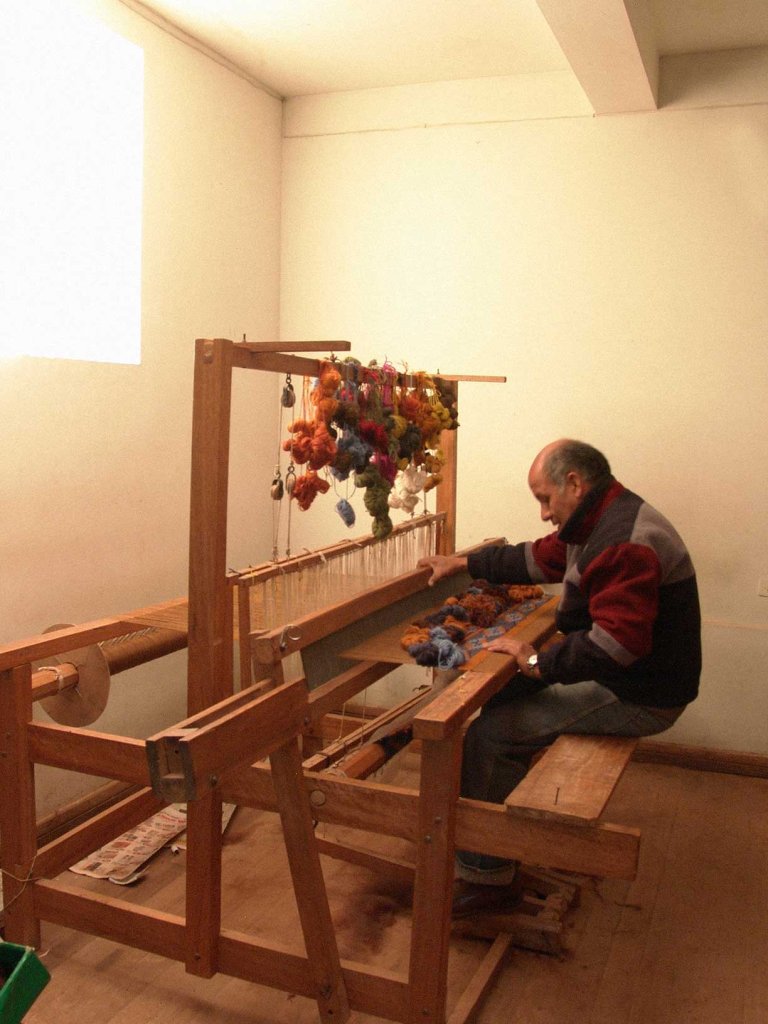
The art of textile weaving holds great significance in Peruvian culture. It is a means of expression, a way to communicate, and a connection to the spiritual realm. Every pattern, color, and stitch carries a deeper meaning, often rooted in ancient mythology and the relationship between humans and nature. Through their textiles, artisans pay homage to the Andean deities and express gratitude for the resources provided by Mother Earth.
What sets Peruvian textile artisans apart is their commitment to preserving traditional techniques in the face of modernization. Many still employ backstrap looms, a portable and versatile tool that allows for intricate designs and meticulous craftsmanship. The process involves the weaver attaching one end of the loom to a fixed point and the other end to a strap around their waist, using their body as a counterbalance to create tension. This labor-intensive technique requires immense skill and patience, but it ensures the authenticity and integrity of the final product.
Peruvian textile art has deep cultural significance and is rooted in the traditions of ancient civilizations such as the Incas. Textiles were highly valued in Incan society, representing social status, identity, and spiritual beliefs. Today, Peruvian artisans in Cusco continue to produce textiles that showcase the fusion of indigenous techniques and Spanish colonial influences.